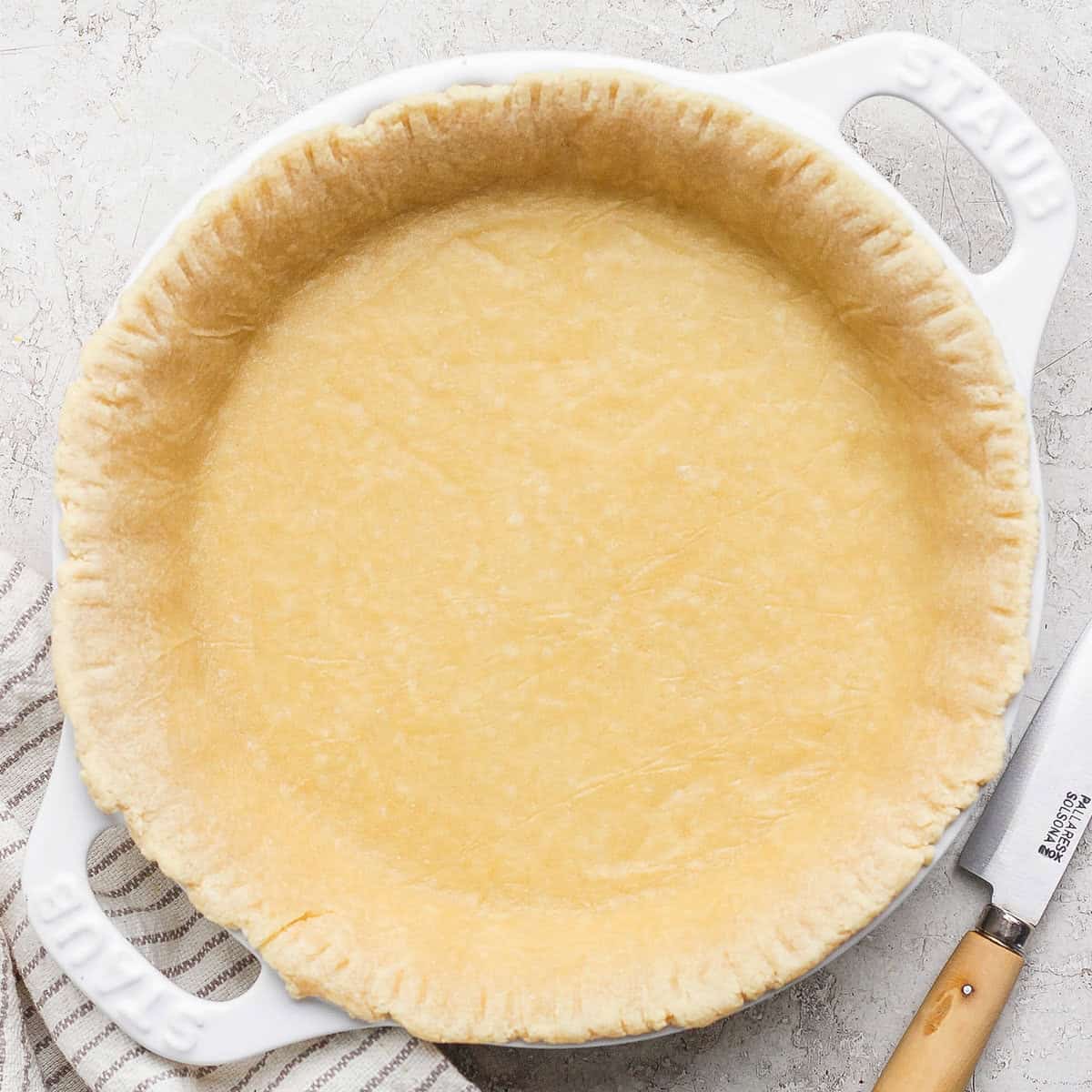
A truly great pie begins with an exceptional crust. For too long, the idea of a delicious, flaky pie crust has been synonymous with an indulgent, albeit less-than-nutritious, treat. But what if you could enjoy that beloved buttery texture and rich flavor while simultaneously boosting your protein intake? Enter the game-changing solution: the high protein pie crust, specifically one crafted with cottage cheese, delivering a remarkable 4g of protein per slice in the crust alone.
This isn't just a minor tweak; it's a revolutionary approach to baking that transforms a traditional carb-heavy base into a satisfying and functional food. Whether you're a fitness enthusiast looking to increase your macros, someone aiming for greater satiety from your meals, or simply a home baker seeking healthier alternatives, this innovative cottage cheese pie crust promises to elevate your pie game without compromising on taste or texture. Get ready to rediscover the joy of pie, now packed with purpose.
Why a High-Protein Pie Crust is a Game-Changer for Your Health
In today's health-conscious world, the demand for nutrient-dense versions of classic comfort foods is ever-growing. Traditional pie crusts, while undeniably delicious, often consist primarily of refined flour and butter, offering minimal nutritional value beyond calories. This can lead to quick energy spikes followed by crashes, and leaves you feeling hungry again sooner rather than later.
A high protein pie crust fundamentally shifts this dynamic. Protein is a vital macronutrient known for its role in satiety, muscle repair and growth, and stable blood sugar levels. By infusing protein directly into your pie crust, you're not just enjoying a treat; you're creating a more balanced meal or snack. Imagine a slice of your favorite pumpkin pie or a savory quiche that keeps you feeling fuller for longer, helping to curb overeating and support your overall dietary goals. This makes pie an accessible and even beneficial addition to a healthy lifestyle, moving it from an occasional indulgence to a more regular, guilt-free pleasure. It’s a smart way to fuel your body while still indulging your cravings.
The Secret Ingredient: Cottage Cheese for a Protein Power-Up
While various methods exist to create a high protein pie crust, the cottage cheese approach is particularly brilliant for its simplicity and effectiveness. Unlike protein powders, which can sometimes alter texture or introduce unwanted flavors, cottage cheese seamlessly integrates into the dough, providing a natural, creamy protein boost without stealing the show.
Our featured cottage cheese crust leverages 4% cottage cheese for optimal results. Why 4%? It typically boasts a higher protein content than lower-fat varieties and contributes essential moisture and a subtle tang that enriches the overall flavor profile of the crust. When blended until smooth, the cottage cheese transforms into a creamy base that helps bind the dough, keeping it tender and pliable. This means less reliance on excessive fats for richness, allowing the protein to shine through. Each slice of pie, with this ingenious crust, delivers approximately 4 grams of protein, turning your pie into a genuinely satisfying and nutritious option. This makes it an ideal choice for both sweet and savory applications, enhancing everything from a classic apple pie to a hearty chicken pot pie.
Beyond Cottage Cheese: Other Protein Enhancements
While cottage cheese is the star of this particular high protein pie crust, it's worth noting that the world of protein-enhanced baking is diverse. Many recipes incorporate ingredients like unflavored protein powder (whey, casein, or plant-based) or almond flour to boost protein content. These alternatives also contribute to a healthier crust, often offering different textural nuances. If you're curious about exploring these other methods and achieving a wonderfully flaky crust using protein powder, be sure to check out How to Make a Flaky High-Protein Pie Crust with Protein Powder.
Crafting Your Flaky, Protein-Packed Crust: Key Ingredients and Techniques
Creating a truly exceptional high protein pie crust, especially one that's flaky and tender, relies on a few core ingredients and mastering some simple techniques. The beauty of this cottage cheese recipe is its forgiving nature, making it accessible even for novice bakers.
Essential Ingredients for Success:
- 4% Cottage Cheese: As discussed, this is your protein powerhouse. Ensure it's blended until perfectly smooth before incorporating it into the dry ingredients. This step is crucial for an even texture throughout the crust.
- All-Purpose Flour: The foundational component. While all-purpose works beautifully, adventurous bakers might experiment with a portion of whole wheat pastry flour for added fiber without compromising tenderness too much.
- Cold Unsalted Butter: This is non-negotiable for flakiness. Cold butter, cut into small cubes, creates pockets within the dough. As these pockets melt and release steam during baking, they separate the layers of dough, resulting in that coveted flaky texture. Unsalted butter allows you to control the seasoning.
- Light Brown Sugar: A touch of sweetness elevates the flavor, complementing both sweet and savory fillings. You can adjust the amount or even experiment with a low-glycemic sweetener like erythritol if preferred.
- Ice Water: While not explicitly mentioned as an ingredient in the cottage cheese context, cold water is often a traditional component of pie crusts and helps achieve the perfect consistency without overworking the dough, keeping it cool and preventing gluten development.
Mastering the Techniques for the Perfect Crust:
- Keep Everything Cold: This cannot be stressed enough. Cold butter and cold cottage cheese (even briefly chilling the blended cottage cheese) are essential for preventing the butter from melting into the flour too soon, which would result in a tough, less flaky crust.
- Don't Overwork the Dough: Mix the ingredients until they are *just* combined. Overmixing develops the gluten in the flour, leading to a tough, chewy crust rather than a tender, flaky one. A food processor can be your best friend here, pulsing briefly until a shaggy dough forms.
- Blend the Cottage Cheese Smooth: Before adding it to your dry ingredients, ensure your 4% cottage cheese is blended into a completely smooth, creamy consistency. Any lumps will affect the final texture of your crust.
- Chill the Dough: After forming, wrap your dough in plastic and refrigerate for at least 30 minutes, or up to 2 days. This allows the gluten to relax and the butter to firm up again, making the dough easier to roll and ensuring maximum flakiness. You can even freeze unbaked dough for up to 3 months.
- Blind Baking & Pie Weights: For many pie recipes, blind baking (pre-baking) the crust is crucial to prevent a soggy bottom. If you don't have ceramic pie weights, don't fret! Simply fork the bottom and sides of the crust all over before baking to allow steam to escape. Alternatively, raw rice or dried beans spread over parchment paper inside the crust work wonderfully as makeshift weights. Any bubbles that pop up can easily be deflated after baking and before filling.
Creative Ways to Enjoy Your High-Protein Pie Crust
The beauty of this high protein pie crust extends far beyond its nutritional benefits; its versatility means it's the perfect canvas for an endless array of sweet and savory creations. Gone are the days of limiting your healthy crust experiments to a single type of pie. This robust yet tender base truly is "perfect for any pie," as highlighted in Easy & Healthy High-Protein Pie Crust: Perfect for Any Pie.
For those with a sweet tooth, imagine a classic fruit pie like apple or berry, now with a crust that contributes to your daily protein goals. This crust is also an ideal companion for creamy fillings such as homemade coconut cream pie, a rich pumpkin pie for the holidays, or a decadent chocolate silk pie. The subtle sweetness from the brown sugar in the crust complements these fillings beautifully without overpowering them.
But don't stop there! This cottage cheese crust shines equally brightly in savory applications. Envision a hearty breakfast quiche packed with vegetables and cheese, a comforting chicken pot pie, or elegant individual tarts filled with roasted seasonal ingredients. The added protein makes these savory dishes even more satisfying and well-rounded. It's an excellent way to elevate everyday meals and make them more functional without compromising on flavor or that quintessential pie experience. So, grab your rolling pin and let your culinary imagination run wild!
Conclusion
The quest for healthier versions of our favorite comfort foods has led us to a true innovation: the cottage cheese high protein pie crust. Offering a significant 4g of protein per slice, this crust transforms a simple dessert or meal component into a more nutritious, satisfying, and body-fueling option. It's a testament to the fact that you don't have to sacrifice flavor or that beloved flaky texture to make smarter dietary choices. With easy-to-follow techniques and readily available ingredients, anyone can master this game-changing recipe. So, get ready to bake with confidence, knowing you're serving up a delicious, protein-packed pie that everyone will rave about. Your taste buds and your body will thank you!
