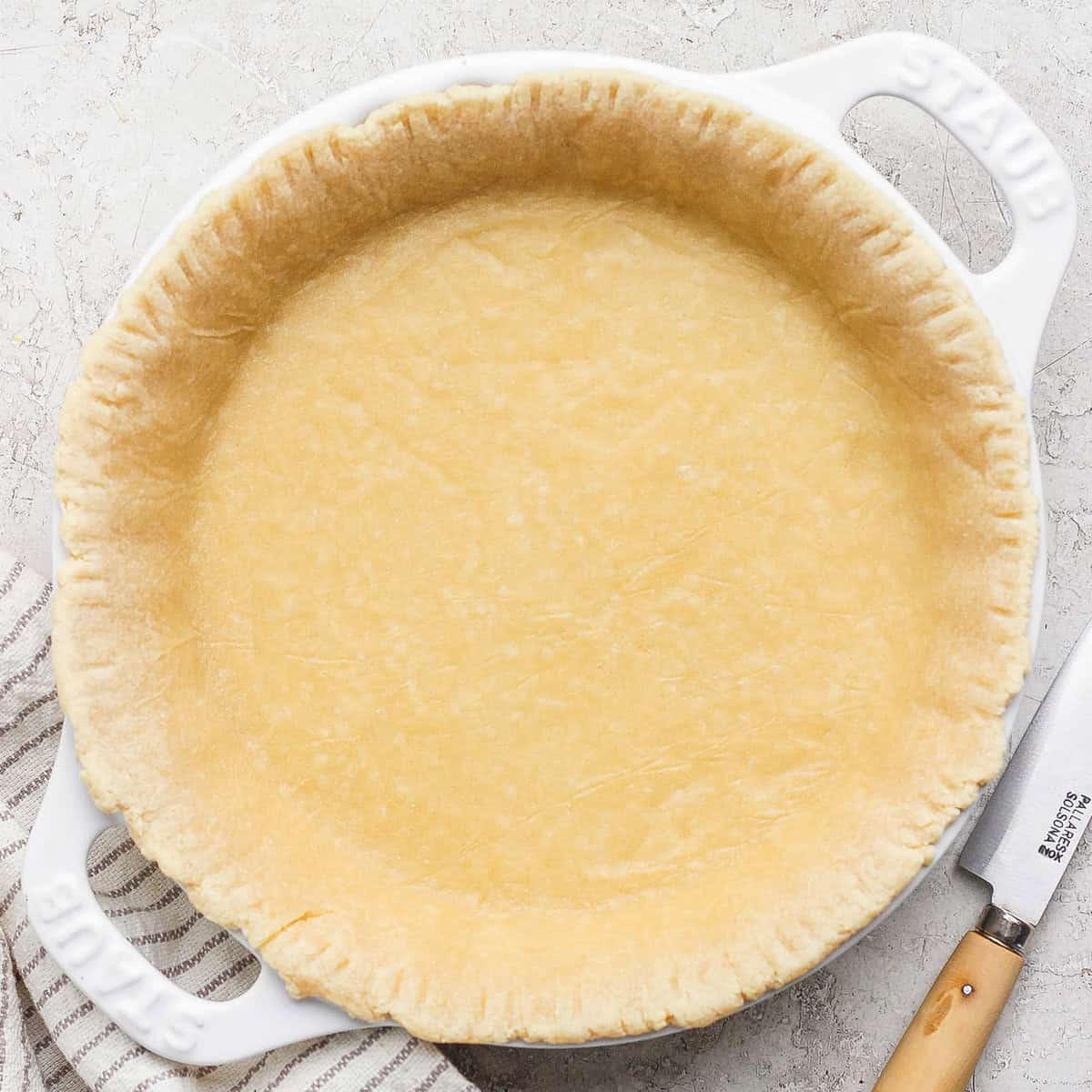
The Game-Changer: Elevating Your Pie Experience with a Flaky High-Protein Pie Crust
Imagine biting into a perfectly golden, tender, and incredibly flaky pie crust, only to realize it's also packed with a significant nutritional boost. This isn't a culinary dream; it's the reality of a high protein pie crust made with protein powder. For too long, the beloved pie has been viewed as an indulgent treat reserved for special occasions. While delicious, traditional pie crusts often lack the nutritional density that can make a meal truly satisfying. This innovative approach marries the classic, irresistible texture of a homemade crust with the power of protein, transforming your favorite dessert or savory dish into a more wholesome and satisfying experience.
Whether you're an athlete looking to boost your protein intake, someone trying to manage blood sugar levels, or simply seeking a healthier twist on a comfort food classic, this recipe is a game-changer. It offers a delicious solution that keeps you feeling fuller for longer, without sacrificing an ounce of flavor or that coveted flaky texture. Forget complicated baking; this guide will walk you through creating a buttery, protein-packed pie crust that is as simple to make as it is delightful to eat.
The Science of Flake: Key Ingredients & Techniques for a High-Protein Pie Crust
Achieving that coveted flaky texture while integrating protein powder might sound like a challenge, but it's entirely achievable with the right ingredients and a few fundamental techniques. The beauty of this high protein pie crust lies in its clever combination of components working in harmony.
Essential Ingredients for Success
- Unflavored Protein Powder: This is the star ingredient that sets our crust apart. The key is to use unflavored varieties to avoid altering the taste of your pie.
- Whey Protein: Excellent for baking, often contributing to a tender crumb.
- Casein Protein: Tends to absorb more liquid and can create a slightly denser but still delicious crust.
- Plant-Based Protein (Pea, Rice, etc.): A great option for those with dairy sensitivities or following a vegan diet. Ensure it's unflavored to maintain neutrality.
- Flour Base: While some recipes might lean heavily on almond flour for extra protein and a gluten-free option, a combination of all-purpose flour and almond flour often yields the best texture for a truly flaky result. All-purpose flour provides the necessary gluten structure, while almond flour adds richness and a subtle nutty flavor.
- Ice-Cold Unsalted Butter: This is arguably the most critical component for flakiness. The butter must be diced into small pieces and kept as cold as possible. When cold butter pieces melt in the oven, they release steam, creating pockets of air that result in those desirable flaky layers. Unsalted butter allows you to control the overall sodium content.
- Ice Water: Just like the butter, the water used to bind the dough must be ice-cold. This further prevents the butter from melting prematurely and helps keep the dough cool, inhibiting gluten development, which can lead to a tough crust.
- A Pinch of Salt: Essential for balancing flavors, whether your pie is sweet or savory.
- Optional Sweetener: For sweet pies, a touch of light brown sugar or granulated sugar can enhance the flavor profile without overpowering the filling.
Mastering the Technique for Ultimate Flakiness
The "cold" principle is paramount. Keeping your ingredients, tools, and even your hands (if possible) cool will significantly impact the final texture of your high protein pie crust. The goal is to work quickly and efficiently to prevent the butter from warming up.
- Cut in Cold Butter: Using a pastry blender, two knives, or even your fingertips, quickly cut the cold butter into the dry ingredients until the mixture resembles coarse meal with some pea-sized pieces of butter remaining. These pieces are your secret to flakiness.
- Minimal Mixing: Overworking the dough is the enemy of a tender, flaky crust. It develops the gluten, making the crust tough. Mix just enough until the ingredients are combined and the dough barely comes together.
- Chilling is Crucial: After forming the dough into a disc, wrap it tightly and refrigerate for at least 30 minutes, or up to an hour. This chilling period allows the butter to firm up again and the gluten to relax, making the dough easier to roll out and contributing to a more tender finished crust.
Step-by-Step Guide to Crafting Your Flaky High-Protein Pie Crust
Ready to get your hands dusted with flour? Here’s a detailed, easy-to-follow guide to making a fantastic high protein pie crust from scratch.
1. Preparation is Key
Before you begin, gather all your ingredients. Dice your cold butter and place it back in the refrigerator. Fill a measuring cup with ice water and set it aside. Ensure your work surface is clean and clear.
2. Combine Dry Ingredients
In a large mixing bowl, whisk together your all-purpose flour, protein powder, and salt. If you’re adding sugar for a sweet pie, include it now. Make sure everything is evenly distributed.
3. Incorporate the Cold Butter
Add the diced, ice-cold butter to the dry ingredients. Using a pastry blender, your fingertips, or a food processor (pulsing carefully), cut the butter into the flour mixture until it resembles coarse crumbs with some pieces of butter still visible, about the size of small peas. Remember, speed is your friend here to keep the butter cold.
4. Gradually Add Ice Water
Drizzle in the ice water, one tablespoon at a time, mixing gently after each addition. The exact amount of water needed can vary, so add just enough until the dough begins to come together. It should be moist enough to hold its shape when pressed, but not sticky or wet. You'll typically need around 4-6 tablespoons for a single crust.
5. Form and Chill the Dough
Turn the dough out onto a lightly floured surface. Gently gather it and press it into a cohesive ball, then flatten it into a disc. Avoid kneading excessively. Wrap the disc tightly in plastic wrap and refrigerate for at least 30 minutes (preferably an hour). This step is non-negotiable for flakiness and ease of rolling.
6. Roll and Shape
Once chilled, remove the dough from the refrigerator. Lightly flour your work surface and your rolling pin. Roll the dough from the center outwards, rotating it frequently and adding small amounts of flour if needed to prevent sticking. Aim for a circle about 12-13 inches in diameter and about 1/8 to 1/4 inch thick. Carefully transfer the rolled dough to your pie plate.
7. Crimp and Prepare for Baking
Trim any excess dough, leaving about a 1/2-inch overhang. Fold this overhang under itself, then crimp the edges decoratively. For a single-crust pie that will be filled later (like a quiche or cream pie), you might need to blind bake. Prick the bottom and sides of the crust all over with a fork to prevent bubbles. Alternatively, line the crust with parchment paper and fill with pie weights, dry beans, or raw rice. Bake at 375°F (190°C) for 15-20 minutes, then remove weights and bake for another 5-10 minutes until lightly golden. If the recipe calls for a raw crust, proceed directly to filling.
Why Choose a High-Protein Pie Crust? Beyond Just Flavor
The appeal of a high protein pie crust extends far beyond its delicious taste and texture. It offers tangible benefits that align with modern health and wellness goals, making your favorite pies a smarter choice without compromising on enjoyment.
- Enhanced Satiety: Protein is renowned for its ability to keep you feeling full and satisfied. A protein-enriched crust means each slice contributes more to satiety, potentially reducing cravings and overeating.
- Balanced Nutrition: Traditional pie crusts are often high in refined carbohydrates and fats, with minimal protein. By adding protein powder, you're transforming your crust into a more balanced component of your meal or dessert, providing essential macronutrients.
- Sustained Energy Levels: Protein helps stabilize blood sugar, preventing the rapid spikes and crashes often associated with high-sugar, low-protein foods. This can lead to more sustained energy throughout the day.
- Supports Fitness Goals: For athletes or anyone leading an active lifestyle, increasing protein intake is crucial for muscle repair and growth. This crust offers a delicious way to sneak in extra protein without resorting to bland shakes.
- Versatile for Any Filling: This robust crust is not just for sweet pies. Its neutral flavor profile makes it an ideal base for savory quiches, pot pies, or even empanadas, allowing you to create wholesome, protein-packed meals. Looking for another protein-packed option that uses a unique ingredient? Check out our article on the Cottage Cheese High-Protein Pie Crust: 4g Protein Per Slice for a different spin on boosting your crust's nutritional value.
Expert Tips for a Foolproof High-Protein Pie Crust
Even seasoned bakers appreciate a few tricks of the trade. Here are some pro tips to ensure your high protein pie crust comes out perfect every time:
- Keep Everything Cold (Reiterated!): Seriously, this cannot be stressed enough. If your kitchen is warm, consider chilling your mixing bowl and even your flour for 10-15 minutes before starting.
- Don't Overwork the Dough: Mix only until the dough just comes together. Excessive handling develops gluten, leading to a tough, less flaky crust. Gentle hands are key.
- Patience with Chilling: While 30 minutes is the minimum, an hour (or even overnight) in the fridge gives the butter ample time to solidify and the gluten to relax, resulting in a more manageable and flakier dough.
- Blind Baking Alternatives: If you don't have pie weights, raw rice or dried beans work perfectly. Just make sure to save them for future blind baking, as they won't be suitable for cooking afterward. Forking the crust all over is also a good quick fix to minimize bubbling.
- Storage Savvy: Unbaked pie dough can be refrigerated for up to 2 days or frozen for up to 3 months. Simply thaw in the fridge overnight before rolling. A baked crust can also be frozen for up to 3 months, making healthy meal prep a breeze.
- Experiment with Protein Powders: Different brands and types of protein powder can have slightly varying absorption rates. If your dough seems too dry, add a touch more ice water. If it’s too sticky, a little extra flour (or protein powder) can help. Don't be afraid to find your favorite blend.
- The Food Processor Advantage: For speed, a food processor can be a great tool for cutting in the butter. Just remember to pulse in short bursts and stop as soon as the butter is incorporated to avoid overmixing. This method can make creating an Easy & Healthy High-Protein Pie Crust: Perfect for Any Pie even faster.
Conclusion: Embrace the Power of a Protein-Packed Pie
Making a flaky high protein pie crust with protein powder is more than just a recipe; it's an invitation to rediscover a classic in a healthier, more satisfying light. By incorporating simple techniques and thoughtful ingredient choices, you can create a pie base that is not only delightfully tender and buttery but also fuels your body and keeps you feeling full. Say goodbye to guilt and hello to delicious, nutritious pies that cater to your health goals without sacrificing an ounce of flavor or that essential flaky texture. So, grab your rolling pin, embrace the power of protein, and get ready to enjoy a truly revolutionary homemade pie experience!
