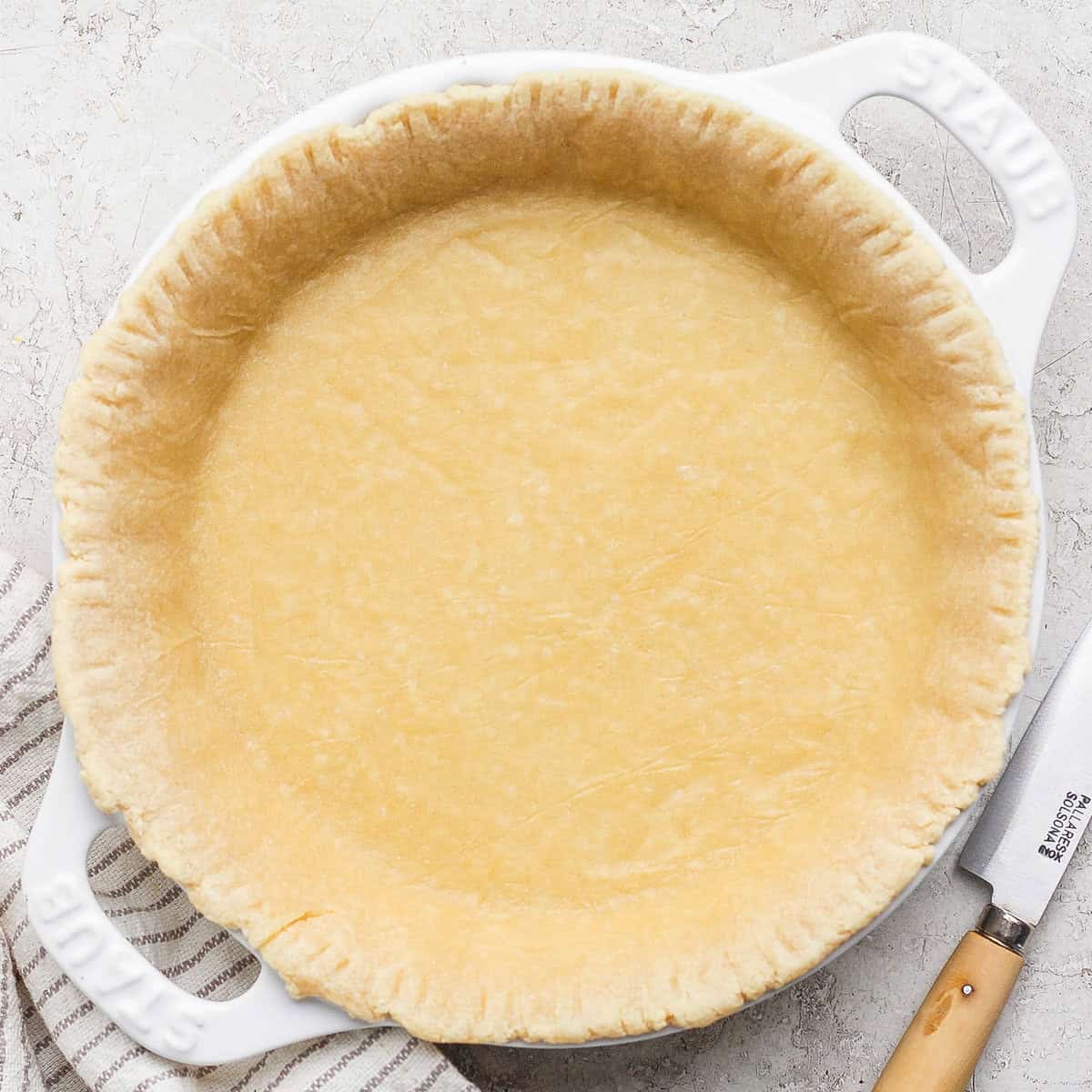
Easy & Healthy High-Protein Pie Crust: Perfect for Any Pie
A truly exceptional pie begins with a foundation that is both delicious and robust. For too long, the humble pie crust has been overlooked as a mere vessel, often associated with indulgence rather than nutrition. But what if you could transform this essential component into a healthy, protein-packed powerhouse without sacrificing that coveted flaky, buttery texture? Enter the
high-protein pie crust – a culinary game-changer that elevates your favorite sweet and savory pies into satisfying, body-fueling meals.
Imagine a slice of pie that not only delights your taste buds but also contributes to your daily protein intake, keeping you feeling fuller for longer. This isn't a dream; it's a perfectly achievable reality with a few clever ingredient swaps and techniques. Whether you're a seasoned baker or new to the kitchen, crafting a fantastic high-protein pie crust is simpler than you might think, opening up a world of healthier pie possibilities.
Why a High-Protein Pie Crust is a Game-Changer
Traditionally, pie crusts are rich in refined carbohydrates and fats, making them a delicious but often heavy treat. While there's nothing wrong with a classic indulgence now and then, having a healthier alternative allows you to enjoy pies more frequently and guilt-free. A
high-protein pie crust offers a multitude of benefits that extend beyond just taste:
*
Enhanced Satiety: Protein is renowned for its ability to promote feelings of fullness. By incorporating protein into your crust, each slice becomes more satisfying, helping to prevent overeating and regulate blood sugar levels.
*
Muscle Support: Protein is the building block for muscles and essential for repair and growth. Even a small boost from your pie crust contributes to your overall protein goals, supporting an active lifestyle.
*
Nutritional Upgrade: Often, the ingredients used to boost protein also bring additional nutrients. For instance, almond flour offers healthy fats and fiber, while cottage cheese provides calcium.
*
Versatile for Any Diet: This innovative crust fits beautifully into various dietary plans, from those focused on fitness to individuals simply looking for smarter eating choices without sacrificing flavor.
*
Reduced Sugar Spikes: The added protein can help to mitigate the blood sugar response often triggered by the carbohydrates in pie fillings, leading to more sustained energy.
This isn't just about making pie "healthy"; it's about making it *better* – more functional, more satisfying, and equally delicious. It transforms a beloved food into something that actively nourishes your body while still delivering that comforting, homemade goodness.
Unveiling the Secrets to a Flaky, Protein-Packed Crust
The magic behind a fantastic
high-protein pie crust lies in understanding how protein ingredients integrate with traditional baking components to create texture and flavor. There are primarily two innovative approaches that have revolutionized the protein pie crust: using protein powder and incorporating cottage cheese. Both methods yield incredible results, offering distinct benefits.
The Protein Powder Method: A Flaky Foundation
One popular and effective way to infuse protein into your pie crust is by utilizing unflavored protein powder. This method is brilliant because the protein powder itself doesn't overpower the delicate flavors of your pie filling, acting instead as a textural and nutritional enhancer.
The key players in this recipe often include:
- Unflavored Protein Powder: This is your secret weapon. You have flexibility here – whey protein, casein protein, or even plant-based protein powders like pea or brown rice protein can all work beautifully. The unflavored aspect ensures it blends seamlessly with both sweet and savory applications.
- Almond Flour: Often paired with protein powder, almond flour contributes a tender crumb, healthy fats, and a subtle nutty flavor. It also adds to the overall protein content and keeps the crust gluten-friendly if using a gluten-free flour blend alongside.
- Cold Butter: Non-negotiable for flakiness! Cold butter, cut into small pieces, creates pockets of steam as it bakes, resulting in those irresistible airy layers.
The process involves combining these dry ingredients with the cold butter, often using a food processor or your hands, until a coarse, sandy mixture forms. A minimal amount of ice-cold water is then added just until the dough comes together. The emphasis here is on minimal handling to prevent gluten development, ensuring a tender, flaky crust every time. This method is incredibly versatile, providing a sturdy yet delicate base for any pie, from apple to quiche. For a deeper dive into this specific technique, explore our detailed guide:
How to Make a Flaky High-Protein Pie Crust with Protein Powder.
The Cottage Cheese Innovation: Creamy Protein Power
Another exciting development in the world of high-protein baking is the use of cottage cheese in pie crusts. This might sound unconventional, but the results are surprisingly delightful – a tender, slightly tangy crust with a significant protein boost.
Here's what makes this method unique:
- 4% Cottage Cheese: The star ingredient! Opting for 4% cottage cheese is crucial as its higher fat content contributes moisture and richness, blending smoothly into the dough. It's the primary source of the added protein.
- All-Purpose Flour: Provides the traditional structure and body of the crust.
- Light Brown Sugar: A touch of sweetness that complements the subtle tang of the cottage cheese, especially appealing for sweet pie fillings.
- Cold Unsalted Butter: Just like with the protein powder method, cold butter is vital for achieving a desirable flaky texture. It's diced and worked into the flour mixture before the cottage cheese is incorporated.
The cottage cheese is often blended or mashed until smooth before being added to the dry ingredients and butter mixture. This ensures an even distribution of moisture and protein throughout the dough. The beauty of this crust is its ease of preparation and the impressive nutritional punch it delivers, often packing around 4g of protein per slice in the crust alone. This makes it an ideal choice for pies where you want a creamy, rich crust that truly stands out, like a homemade coconut cream pie. Discover the full potential of this unique approach here:
Cottage Cheese High-Protein Pie Crust: 4g Protein Per Slice.
Essential Tips for High-Protein Pie Crust Perfection
Regardless of whether you choose the protein powder or cottage cheese method, some universal principles apply to making an outstanding
high-protein pie crust. Mastering these simple tips will ensure your crust is consistently flaky, tender, and delicious.
Cold Ingredients are King
This cannot be stressed enough: *always* use cold ingredients, especially cold butter and ice water (if your recipe calls for it). The reason is scientific: as the cold butter melts in the oven, it releases steam, which creates pockets in the dough, resulting in that signature flaky texture. If your butter is too warm, it will melt into the flour too quickly, leading to a tough, dense crust. Some experienced bakers even chill their flour before starting!
Don't Overwork the Dough
Overworking pie dough is a common pitfall. Flour contains gluten, a protein that develops elasticity when kneaded or mixed extensively. While elasticity is good for bread, it makes pie crust tough and chewy. For a tender, melt-in-your-mouth crust, mix your ingredients *just* until they come together. A few visible streaks of butter are perfectly fine – they contribute to flakiness!
The Chill Factor is Your Friend
After mixing, it’s crucial to chill your pie dough. Wrap it tightly in plastic wrap and refrigerate for at least 30 minutes, or even a couple of hours. This resting period allows the gluten to relax, making the dough easier to roll out without shrinking. It also re-chills the butter, further enhancing flakiness.
Blind Baking & Managing Bubbles
Many pie recipes, especially those with wet fillings, call for blind baking (pre-baking) the crust. This prevents a soggy bottom. To stop the crust from bubbling up excessively during blind baking:
- Forking: Prick the bottom and sides of the crust all over with a fork before baking.
- Pie Weights: Line the crust with parchment paper and fill it with pie weights, dried beans, or raw rice. These create an even pressure, preventing the crust from puffing up. Just remember to remove them partway through baking to allow the crust to brown. Even if small bubbles appear, they usually deflate easily upon filling.
Storage for Convenience
One of the best aspects of homemade pie crust is its make-ahead potential:
- Unbaked Dough: Store tightly wrapped unbaked dough in the refrigerator for up to 2 days, or in the freezer for up to 3 months. Thaw frozen dough in the fridge overnight before rolling.
- Baked Crust: You can also blind bake your crust and then freeze it for up to 3 months. Wrap it thoroughly to prevent freezer burn. This saves significant time on baking day.
Versatility for Every Occasion
Don't limit your
high-protein pie crust to just dessert! Its neutral flavor profile makes it an ideal base for both sweet and savory creations. Think of quiches, pot pies, savory tarts, or even hand pies. The added protein will make these savory meals even more substantial and satisfying.
Beyond the Recipe: Customizing Your High-Protein Crust
While the core recipes provide an excellent starting point, don't hesitate to experiment and make your
high-protein pie crust truly your own.
*
Flavor Enhancements: For sweet pies, consider adding a pinch of cinnamon, nutmeg, or a dash of vanilla extract to the dough. For savory pies, incorporate dried herbs like thyme or rosemary, a touch of garlic powder, or a sprinkle of grated Parmesan cheese. A zest of lemon or orange can also brighten any crust.
*
Dietary Adaptations: If you're gluten-free, substitute the all-purpose flour with a high-quality gluten-free all-purpose flour blend (ensure it contains xanthan gum for structure). For dairy-free needs, use a plant-based butter alternative and a plant-based protein powder.
*
Additional Nutritional Boosts: Fold in a tablespoon or two of ground flaxseed or chia seeds for an extra dose of omega-3s and fiber. You could also experiment with a small amount of whole wheat pastry flour for a nuttier flavor and added whole grains.
Conclusion
Gone are the days when pie crust had to be a guilt-laden indulgence. The innovation of the
easy & healthy high-protein pie crust has revolutionized how we approach this classic baked good, transforming it into a delicious, satisfying, and nourishing component of any meal or dessert. By leveraging ingredients like unflavored protein powder or nutrient-rich cottage cheese, alongside time-honored baking techniques, you can create a flaky, tender crust that supports your health goals without compromising on taste. So, gather your ingredients, keep them cold, and get ready to roll out a game-changing crust that will make every pie a triumph of flavor and nutrition. Your taste buds, and your body, will thank you!